
Interventional & neurointerventional care · Ahmedabad
A small access point.
A different way
to treat disease.
Some conditions can be treated through a blood vessel or a small opening in the skin. Understand where image-guided treatment fits—and when medicines or surgery may be the right choice.
MBBS · MD Radiodiagnosis · DM Interventional Radiology
Consultations in English, Hindi & Gujarati

Clear information. In a language you know.
Start with what you notice
Understand the symptom.
Explore the options.
A diagnosis comes first. These guides explain common symptoms, investigations and treatment choices.
Pain in the calf when you walk
Leg pain that returns with walking, a cold foot or a wound that will not heal: understand circulation tests and treatment choices.
Visible veins. Aching, heavy legs.
Understand bulging leg veins, swelling and skin changes, and the roles of self-care, compression, vein procedures and surgery.
Heavy periods and fibroids
Heavy bleeding or pressure from fibroids: understand assessment, medicines, surgery, embolisation and the importance of future pregnancy plans.
Frequent urination. A weaker stream.
Understand urinary symptoms, prostate assessment and the roles of monitoring, medicines, urological procedures and prostate artery embolisation.
A dragging ache or enlarged scrotal veins
A varicocele may be found during assessment of scrotal discomfort or fertility. Learn how observation, surgery and embolisation are considered.
Understanding liver tumour treatment
A liver tumour needs a diagnosis and a team plan. Understand surgery, medicines, radiotherapy and selected image-guided treatments.
Behind the qualifications
Life in an interventional practice.
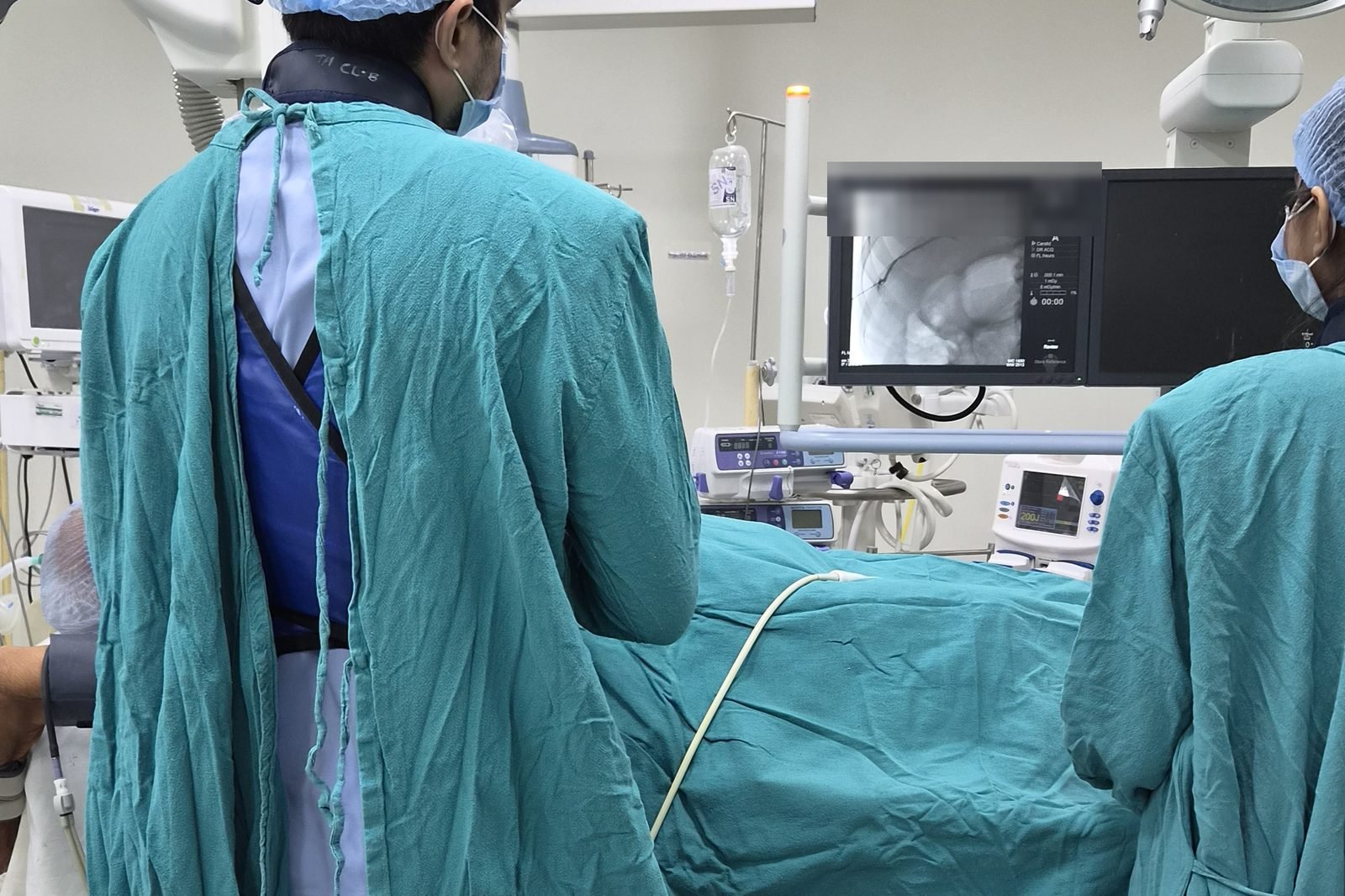
In the cath lab
Working with live imaging to guide an intervention.
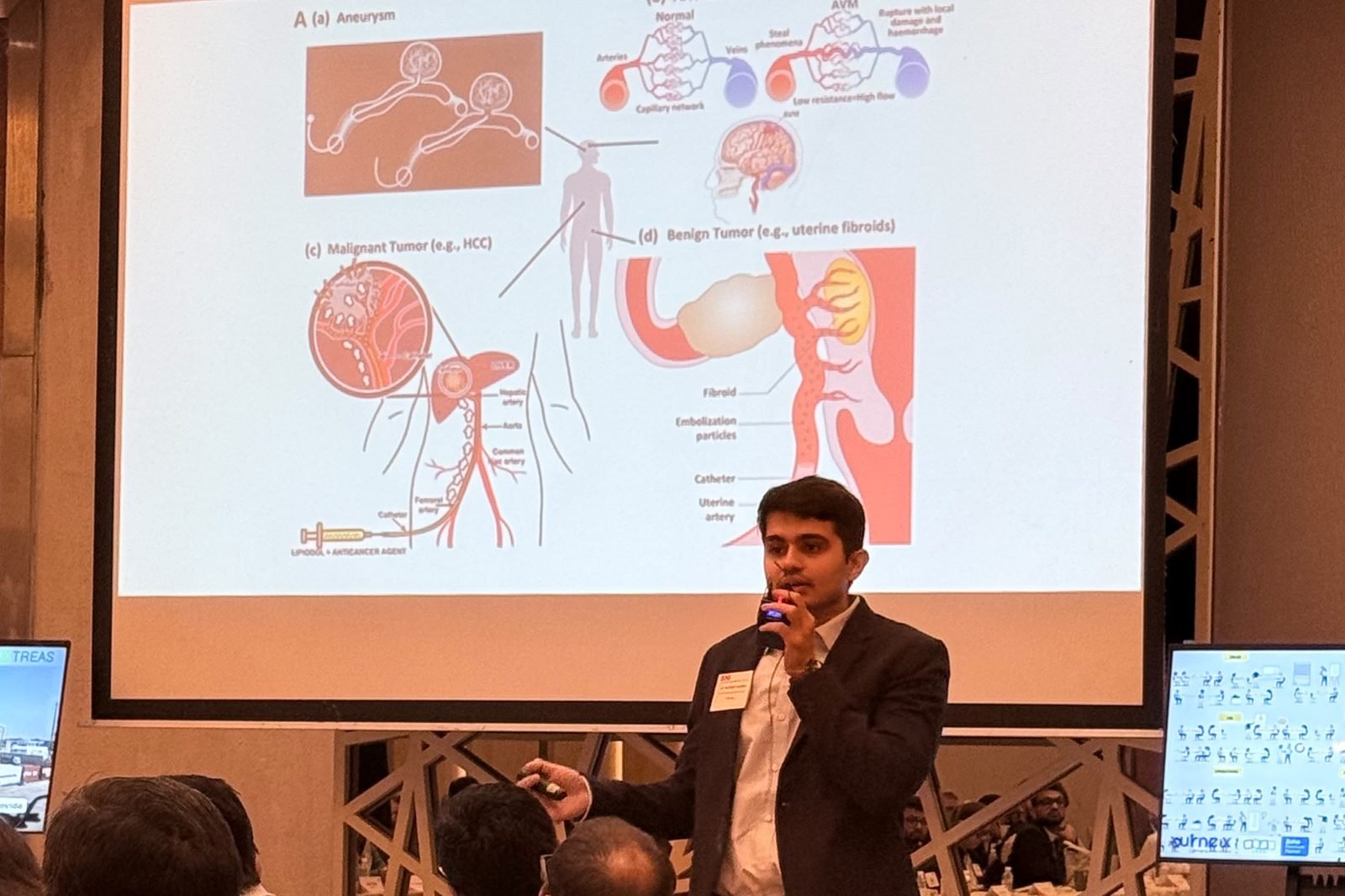
Sharing what I do
Explaining image-guided treatment during a lecture.
From my YouTube & Instagram
Watch me explain.
Short conversations about symptoms, conditions and image-guided treatment. Select a thumbnail to open the video.
-
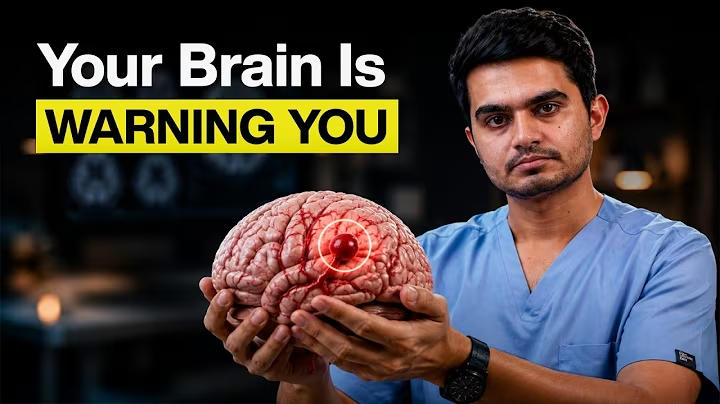
Brain aneurysms explained
Watch on YouTube -
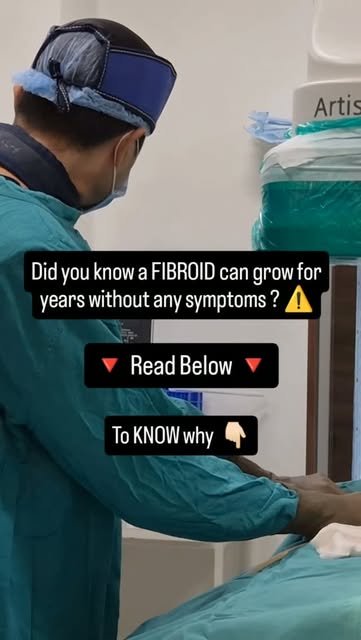
Fibroids can be silent
Watch on Instagram -
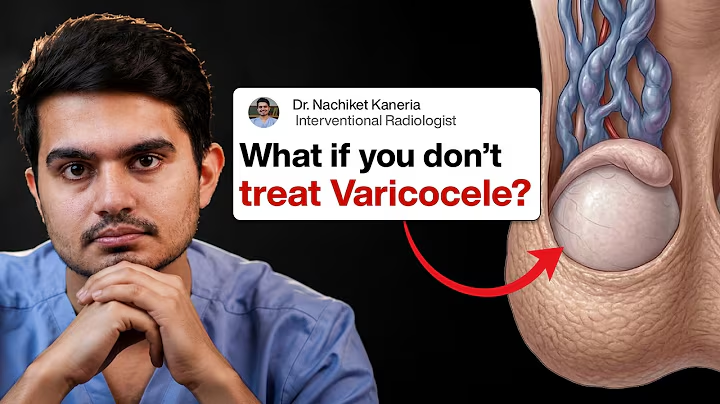
Varicocele: when treatment may be needed
Watch on YouTube -
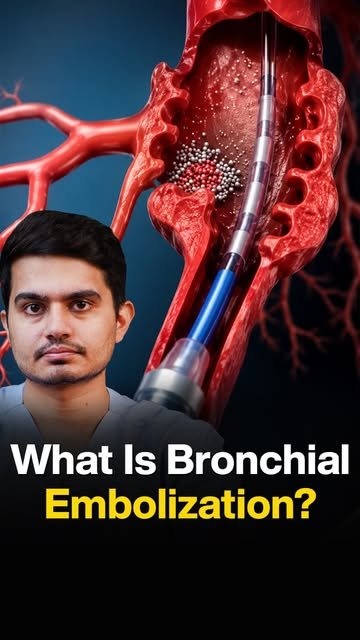
Treating bleeding from bronchial arteries
Watch on Instagram
Videos open on YouTube or Instagram in a new tab.
Call 108 or seek emergency care immediately. Note when the person was last well. Do not wait for an appointment or a reply to a message.
Patient blog · English · हिन्दी · ગુજરાતી
Questions behind the symptoms.
Clear explanations to help you understand a finding and prepare for a discussion.
Understanding leg symptoms
Leg pain: arteries, veins or nerves?
Compare walking pain, heavy legs and nerve-related symptoms, learn which changes need urgent care, and understand how circulation is assessed.
Read the article →Brain & blood vessels
A brain aneurysm on a scan: what happens next?
An unruptured brain aneurysm does not always need an immediate procedure. Understand assessment, monitoring, coiling, flow diversion and clipping.
Read the article →Living with leg-vein symptoms
Heavy legs and visible veins: what helps day to day?
Weight management, movement, skin care and prescribed compression can support varicose-vein care. Understand their limits and when symptoms need assessment.
Read the article →Living with leg-vein symptoms
Achy, swollen legs: do you need compression stockings?
Understand when compression helps, why circulation and fit matter, how to put stockings on, and which symptoms mean you should remove them and seek help.
Read the article →A focus on the brain’s blood vessels
Treating the brain’s blood vessels is a core focus of my practice.
My work includes treating selected blocked brain arteries, brain aneurysms, abnormal artery–vein connections and narrowed neck arteries using instruments guided through blood vessels.
This field is called neurointervention. Treatment decisions depend on the scans, the condition and the support required before and after the procedure.
Understand brain and neck vessel conditions →The conditions behind the terms
A sudden stroke
A clot-removal procedure may be an option for selected patients with a blocked large artery.
A brain aneurysm
Coils or a flow-diverting device may be considered alongside observation or surgery.
Abnormal vessel connections
Some AVMs and fistulas can be treated from within the blood vessels.
What is interventional radiology?
Using imaging
to guide treatment.
X-ray, ultrasound or CT helps the doctor see the treatment area. Depending on the condition, a fine tube, needle or other instrument is guided to a blood vessel, an organ or a collection of fluid.
A small opening does not make a procedure risk-free. The assessment includes the expected benefit, alternatives, anaesthesia and possible complications.
See the illustrated explanations →Understand the problem
Review symptoms, examination findings and relevant scans.
Compare the options
Discuss monitoring, medicines, surgery and suitable image-guided options.
Plan the procedure and recovery
Agree on preparation, risks, hospital stay and follow-up for the individual case.
About the practitioner
Dr Nachiket Kaneria
I trained in radiodiagnosis and then completed a DM in Interventional Radiology at KLE Academy, Belagavi, in 2025. My practice is dedicated to interventional procedures, including neurointervention, vascular treatment and image-guided work in other organs.
Training & background →Before a planned visit
Make the discussion useful.
Existing scans and reports, your medicine list and earlier treatment records help explain what has already been investigated. There is no need to arrange a new scan just to use this website.
What to prepare and what to ask →Common questions
Before you explore further.
Does a small opening mean there is no risk?
No. Risks depend on the treatment and can include bleeding, infection, injury to nearby structures, contrast reactions or organ-specific complications. These are discussed alongside the alternatives.
Does every condition have a non-surgical option?
No. An image-guided procedure may help selected patients. Medicines, monitoring, surgery or a combination may be more appropriate.
Will I need to stay in hospital?
Some procedures are day-care; others require observation, admission or intensive care. Brain procedures and emergency treatment can involve a longer stay. The treating team makes an individual plan.
Where can I find practical details?
The practice details page lists the current hospital, contact information, consultation languages and information about payment arrangements.